There’s a difference between thinking you know how you coach and actually seeing it.
Most coaches, if you asked them, could give you a pretty clear picture of what their session looks like:
- “I give good feedback”
- “I ask questions”
- “I try not to over-coach”
And they’d believe it because it feels true in the moment.
But this is where SAM changes things.
It doesn’t rely on memory. It shows you what actually happened.
What You Think You Do vs What You Actually Do
Looking at this SAM report, the first thing that stands out is volume.
- 345 instances of feedback
- 211 instances of instruction
- 181 questions
- 169 management interventions
- 185 relationship interactions
At face value, most coaches would look at that and think:
“That’s good. I’m active, I’m engaged, I’m coaching.”
And they’re right.
But that’s not the full story.
The Reality of Coaching Behaviour
When you dig a little deeper, the report starts to shift your perspective.
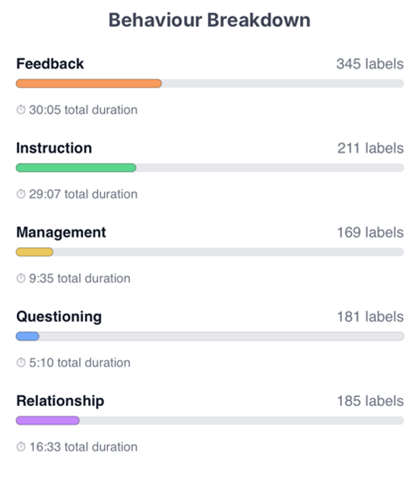
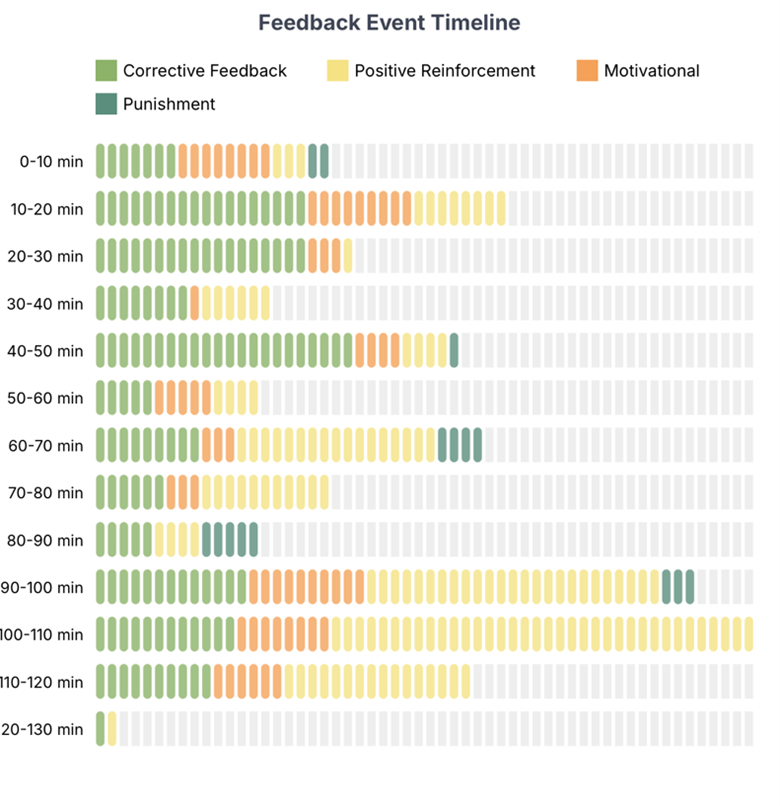
- Feedback dominates the session
There is a huge amount of feedback happening—almost continuously across the session timeline.
That’s not necessarily a problem. Feedback is a core part of coaching.
But the question becomes:
Is all feedback equally valuable?
Because when feedback is constant, two things can happen:
- Players become reliant on the coach
- Players get less time to think and solve problems themselves
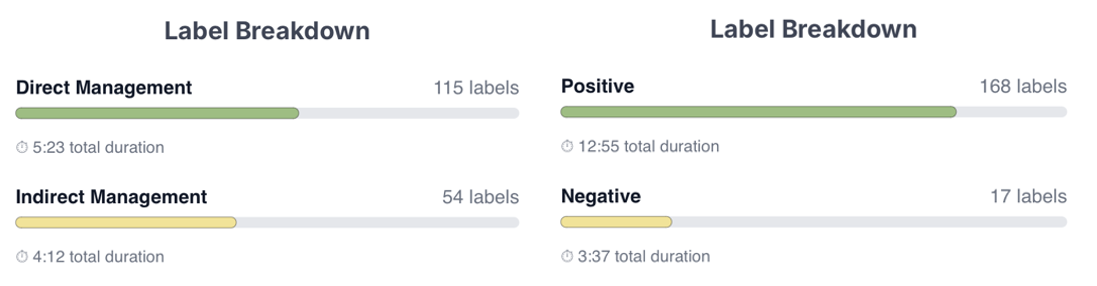
- Instruction is still a major driver
Over 200 instructional moments in a single session is significant.
And when we look at the breakdown:
- Tactical instruction (181) far outweighs
- Technical instruction (30)
This tells us something really important:
The coach is spending far more time telling players what to do than how to do it
Again, not inherently wrong—but it shapes the type of learning environment being created.
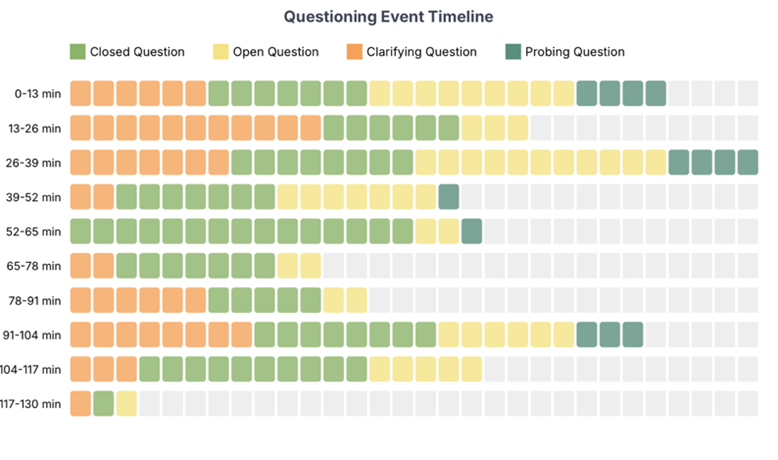
- Questioning is present… but not dominant
181 questions sounds like a lot.
But compared to:
- Feedback (345)
- Instruction (211)
…it tells us that questioning is still secondary, not central.
That matters because questioning is where:
- Decision-making develops
- Understanding deepens
- Ownership shifts to the player
- The session is coach-led, not player-led
When you combine:
- High feedback
- High instruction
- Lower questioning
A clear pattern emerges:
The coach is driving most of the learning interactions
This is incredibly common - especially in community basketball.
Not because coaches are doing the wrong thing, but because:
- They care
- They want to help
- They feel responsible for improvement
The Bit Most Coaches Miss
If you asked this coach how the session went, they’d likely say:
“Pretty good. Lots of energy, lots of teaching.”
And they’d be right.
But what SAM reveals is something more nuanced:
How much space did players actually have to learn?
Not just be told.
Not just be corrected.
But to figure things out.
A Simple Shift (That Changes Everything)
This isn’t about coaching less.
It’s about coaching differently.
For example:
- Instead of giving feedback immediately → wait 3 seconds
- Instead of telling → ask one more question
- Instead of correcting everything → let one mistake play out
Small changes.
But over a full session?
They completely change the learning environment.
Why This Matters
This is the power of a SAM report.
It doesn’t tell you if you’re a “good” or “bad” coach.
It shows you:
- Your tendencies
- Your patterns
- Your defaults
And once you can see those clearly, you can start to adjust them - intentionally.
The Bigger Picture
This is just one section of a SAM report.
But even here, we can already see:
- How a coach communicates
- What they prioritise
- How players are experiencing the session
And most importantly:
Where the opportunity for growth sits
If you are interested in getting your own SAM report on your session you can purchase one through the BA LMS.
